

Common Reasons Automatic Gates Stop Working
Automatic gates make everyday access easier, whether they protect a residential driveway, ranch entrance, or commercial property. But like any machine that operates outdoors, a gate opener eventually needs maintenance. When a gate stops opening, moves slowly, or works only intermittently, the problem may be electrical, mechanical, or a combination of both.
In Northern Arizona, dust, seasonal temperature swings, monsoon storms, and regular use can all contribute to wear. Understanding the most common causes can help you recognize trouble early and know when it is time to call a professional.
1. Worn-Out Batteries and Power Problems
Many automatic gate operators use batteries for primary power or backup power during an outage. Those batteries have a limited lifespan, and their ability to hold a charge gradually declines. A gate may still operate occasionally while struggling to complete a full opening or closing cycle, especially in cold weather or after repeated use.
On solar-powered systems, dirty panels, shading, weak charging equipment, or several cloudy days can leave batteries undercharged. On hardwired systems, a tripped breaker, damaged supply cable, failed transformer, or faulty charger may cause similar symptoms. Replacing a battery without fixing the charging problem may only provide a temporary solution.
What to watch for: Slow operation, an opener that clicks but will not move, intermittent performance, or a system that stops working after a power outage. Battery and electrical testing should follow the manufacturer's instructions.
2. Uneven Wear on Bushings, Bolts, Hinges, and Rails
An automatic gate travels along essentially the same narrow path every time it opens and closes. Because the movement is repeated thousands of times, its load is not distributed evenly across every component. Particular bushings, hinge pins, bolts, rollers, brackets, and sections of track can wear faster than surrounding parts.
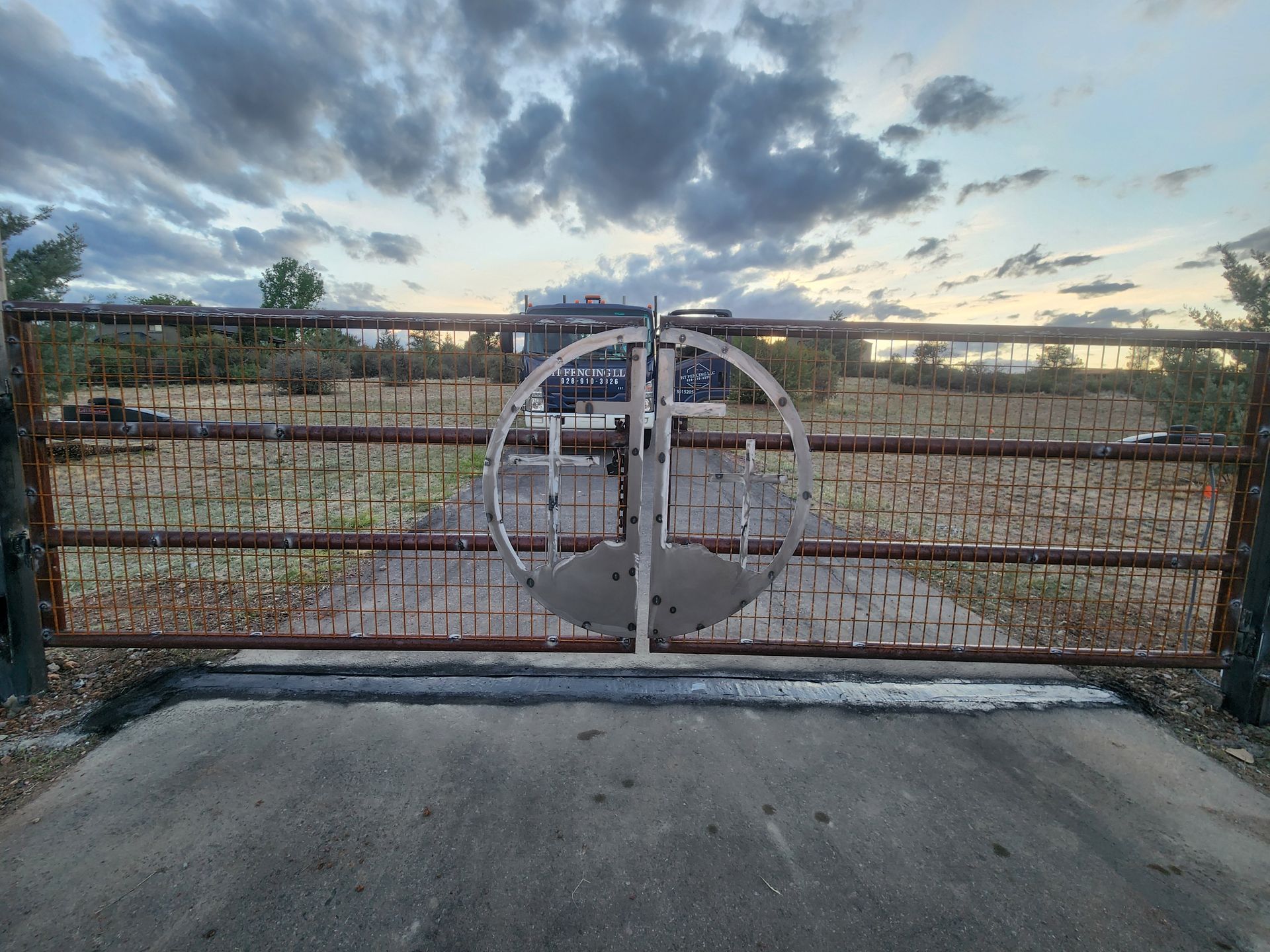
A sliding gate may develop flat spots or rough sections in its rollers and rail. A swing gate may begin to sag as hinge bushings or mounting hardware loosen. Once the gate shifts out of alignment, the motor must work harder to push or pull it through the same path. What begins as a slight scrape or vibration can eventually cause the operator to stop or reverse.
What to watch for: Grinding, squeaking, wobbling, scraping, visible sagging, or a gate that sticks at the same point during each cycle. These are reasons to inspect the gate's hardware and alignment before assuming the motor has failed.
3. Gate Misalignment and Physical Obstructions
A gate has to move freely for the opener to work correctly. Settling posts, shifting soil, bent tracks, damaged guide rollers, and loose brackets can change the way a gate travels. Rocks, branches, gravel buildup, or other debris can also obstruct a sliding gate's path.
Automatic operators are designed with safety protections. When the motor encounters excessive resistance, some systems stop or reverse instead of continuing to force the gate forward. This can make a mechanical binding problem look like an electronic malfunction.
Never bypass safety devices or force a motorized gate to move. Have a qualified technician identify and correct the obstruction or alignment issue.
4. Faulty Sensors, Wiring, and Controls
Automatic gates rely on more than a motor. Photo-eye sensors, vehicle detection loops, control boards, limit switches, receivers, and associated wiring all help the system operate correctly and safely. If a photo-eye becomes misaligned or dirty, the gate may refuse to close or may reverse unexpectedly.
Rodents can damage wiring, moisture can corrode connections, and lightning or power surges can affect electronic components. Remote controls and keypads can also fail because of depleted batteries or communication issues. A problem affecting only one remote is very different from a gate that will not respond to any control.
What to watch for: A gate that opens but will not close, unexpected reversals, inconsistent keypad response, or visible damage to exposed wiring. Keep safety sensors unobstructed, but leave electrical diagnosis and repair to a qualified professional.
5. Motor and Gearbox Wear
Even a properly installed gate operator experiences wear over time. Gears, drive chains, sprockets, and internal components can deteriorate, particularly when a gate is too heavy for its operator or has been dragging against misaligned hardware. Continued operation under excessive load may shorten the life of the motor and gearbox.
Pay attention to new noises, jerky movement, unusual vibration, or a motor that runs without moving the gate. An inspection should consider the condition of the gate itself, not just the operator. Installing a new motor on a binding gate often leaves the underlying problem unresolved.
How to Prevent Automatic Gate Breakdowns
Regular inspections can catch many of these issues before a gate stops working entirely. Keep the travel path clear, visually check rails and moving hardware for wear, note any changes in sound or speed, and follow the manufacturer's maintenance recommendations. Battery condition, charging performance, safety sensors, fasteners, and gate alignment all deserve periodic attention.
Automatic gates are heavy moving structures with potentially hazardous electrical and mechanical components. Never reach into moving parts, defeat safety sensors, or attempt spring, hinge, or powered repairs without appropriate training.
Automatic Gate Installation in Prescott and Northern Arizona
A reliable automatic gate starts with a properly built, aligned gate and an operator suited to its size, weight, and expected use. HT Fencing helps property owners throughout the Prescott area plan fencing and gate solutions built for their property. If you're considering an automatic gate for your driveway, ranch, or business, contact HT Fencing to discuss your project.