

When to Install Fencing and Gates on a New Build
Fence installers get a lot of calls that start with "we just finished the house." By then, some of the best options are gone: the driveway is poured, the yard is graded and nobody ran power to the gate. On a new build, the fence works best when it's part of the schedule from the start. Here's the order to follow in Northern Arizona.
Before construction: survey, setbacks and utilities
- Confirm property lines. Have the survey pins located before planning fence placement. Fences built off assumed lines are a common source of neighbor disputes.
- Check the rules. Setbacks, easements, height limits and HOA requirements vary by town and county, and some fences or walls need permits.
- Mark utilities. Arizona 811 arranges for underground lines to be marked before digging. Also locate septic systems, leach fields and wells.
During construction: wait for the heavy equipment to finish
Permanent fencing installed too early gets damaged by excavators, concrete trucks and material deliveries. If you need something in place for pets or kids, use temporary fencing and save the permanent installation for after grading. The exception is a pool barrier, which inspectors will look for. Arizona's pool barrier rules generally call for a barrier at least 5 feet tall with self-closing, self-latching gates, but confirm the requirements with your local jurisdiction.
Before concrete: run the gate conduit
This is the single most useful thing to know. If you're planning an automatic driveway gate, the power and control conduit needs to go into the ground before the driveway is poured. Retrofitting it later means cutting concrete. While the trench is open, plan for:
- Power for the gate operator
- Low-voltage control wiring for keypads, intercoms and remotes
- Conduit for vehicle detection loops, if used
- Footing locations for gate posts, which are larger than standard line posts on heavy steel gates
Slope matters too. A swing gate on a sloped driveway needs clearance to open, and a sliding gate needs a straight, level run alongside the opening.
After final grade: set the fence
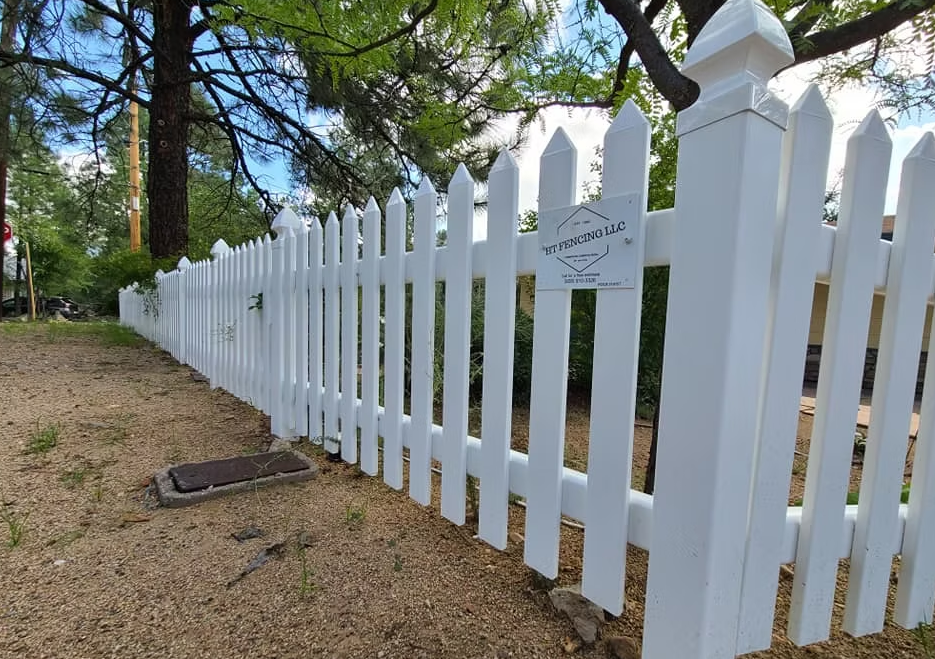
Install fencing after final grading so the bottom clearance stays consistent. Fences set before final grade often end up with gaps or buried bottom rails when the yard is finished. It also makes sense to finish the fence before landscaping so plants, irrigation and hardscape aren't damaged.
Northern Arizona conditions to plan for
- Wind. Solid privacy panels catch wind like a sail, so posts need solid footings and sometimes a design with gaps.
- Rocky and decomposed granite soils. Digging post holes can take more effort than expected. Ask about drilling or coring when bidding.
- Freeze depth. Posts should be set below local frost depth. Your county building department can tell you what applies.
Put fence milestones on the build schedule
The smoothest projects treat fence and gate work as scheduled items: survey before construction, conduit before concrete, install after grading. Ask your builder to add these milestones up front.
Verify your contractor
Whoever you hire, check their license at the Arizona Registrar of Contractors before signing.
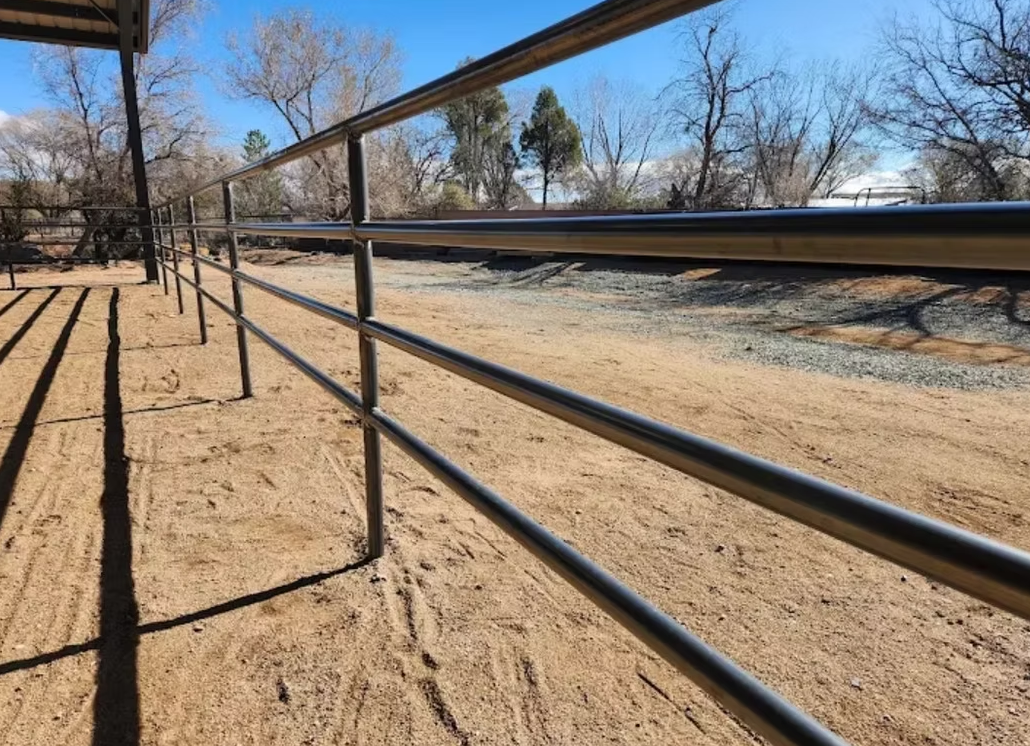
If you're planning a fence, gate or ranch fencing for a new property in Prescott, Prescott Valley or Chino Valley, contact HT Fencing.